As solar energy continues to gain popularity, there are still some misconceptions that prevent people from fully embracing this clean and sustainable power source. These myths can create doubts and misinformation that hinder the adoption of solar technology. In this blog post, we’ll debunk common myths about solar energy and provide the facts to help you make an informed decision about switching to solar power.
Myth 1: Solar Energy Is Too Expensive
One of the most persistent myths is that solar energy is prohibitively expensive for homeowners and businesses. While solar panel installation does involve an upfront investment, the costs have significantly decreased over the past decade. In fact, solar panel prices have dropped by more than 70% in the last 10 years, making solar energy much more affordable than before.
Moreover, various government incentives, tax credits, and financing options can further reduce the cost of installing a solar system. Many homeowners find that the savings on their electricity bills over time can offset the initial investment, making solar an economically viable option in the long run.
Fact: Solar energy is more affordable than ever, and with available incentives, it can provide significant savings on electricity costs.
Myth 2: Solar Panels Don’t Work in Cloudy or Cold Weather
Another common misconception is that solar panels only work in sunny and warm climates. While solar panels do generate more electricity in direct sunlight, they can still produce power on cloudy days. In fact, countries like Germany and the United Kingdom, which experience frequent cloudy weather, are leading adopters of solar energy.
Solar panels can also operate effectively in cold weather. In some cases, lower temperatures can even increase solar panel efficiency. The panels absorb sunlight, not heat, so as long as there is daylight, they will continue to generate electricity.
Fact: Solar panels work in a variety of weather conditions, including cloudy and cold climates. They generate electricity as long as there is daylight.
Myth 3: Solar Panels Require Constant Maintenance
Some people avoid solar energy because they believe that solar panels require a lot of maintenance. In reality, solar panels are designed to be low-maintenance. They have no moving parts, which means there is less chance of mechanical failure.
Typically, solar panels only need occasional cleaning to remove dust, dirt, or debris. If you live in an area with frequent rainfall, natural rain can help keep the panels clean. Most solar systems come with warranties of 20-25 years, ensuring long-term durability and reliability.
Fact: Solar panels are low-maintenance, with occasional cleaning and periodic inspections being the only required upkeep.
Myth 4: Solar Energy Is Not Efficient Enough
There is a misconception that solar energy is not efficient enough to meet the electricity needs of a home or business. However, modern solar panels have improved significantly in efficiency. The average efficiency of commercial solar panels ranges from 15% to 22%, which is sufficient to provide a substantial portion of the energy required by most households.
The efficiency of a solar system also depends on the installation location, panel orientation, and local climate. With proper planning and design, a solar installation can be optimized to generate enough electricity to meet your needs and even contribute excess energy to the grid.
Fact: Solar panel efficiency has improved, and with the right system design, solar can effectively meet most electricity needs.
Myth 5: Solar Panels Damage the Roof
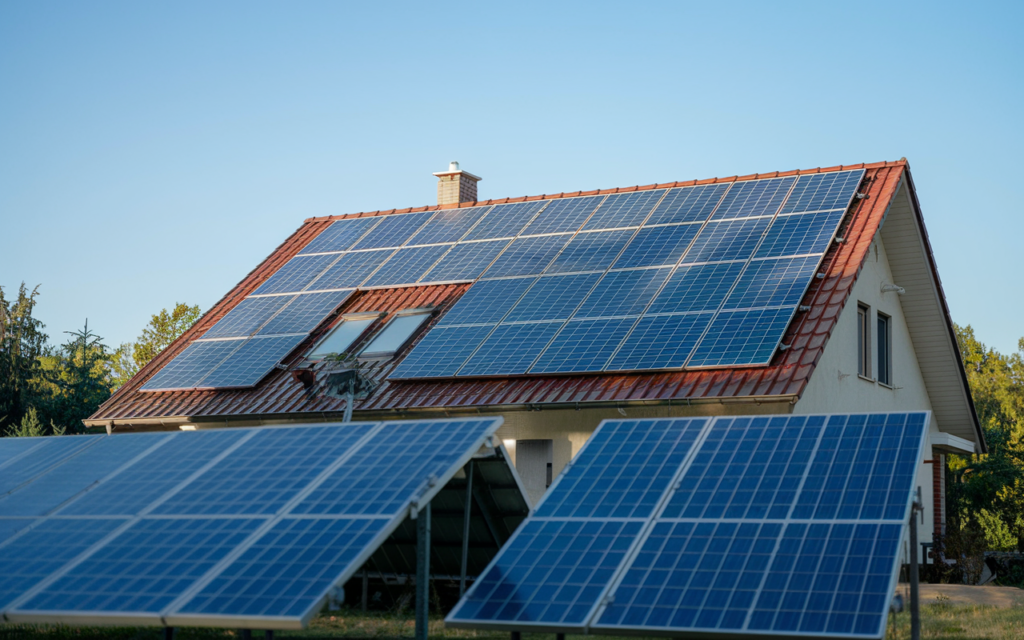
Some homeowners worry that installing solar panels will damage their roofs. However, when installed by a professional, solar panels do not harm the roof. In fact, they can actually protect the portion of the roof they cover from weather elements such as rain, hail, and UV rays.
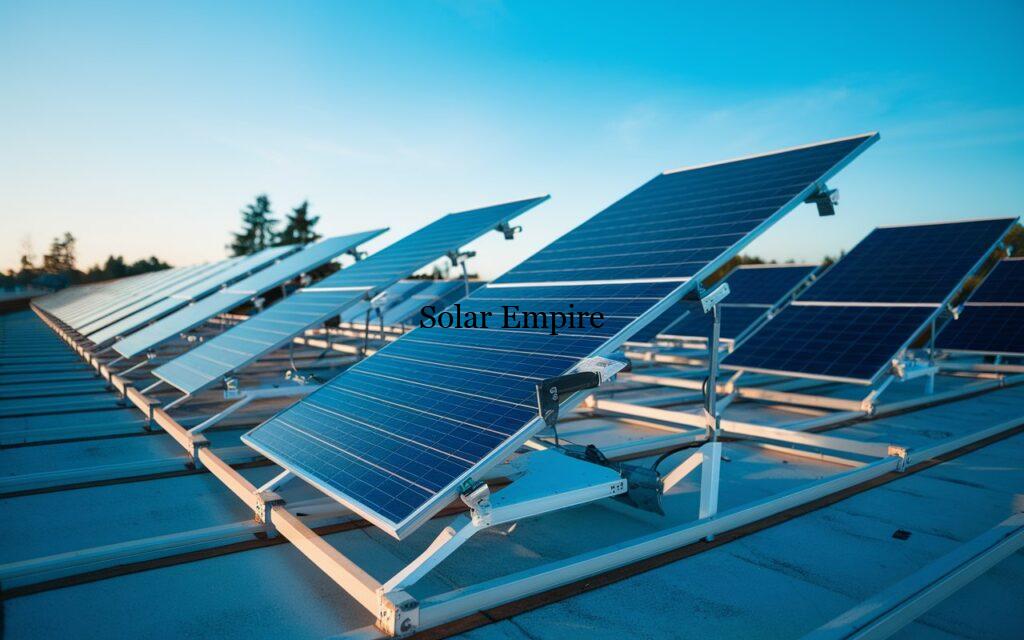
Most installations involve mounting the panels on a sturdy frame attached to the roof, with minimal roof penetration. The installation process typically follows stringent guidelines to ensure that the roof remains intact and leak-free. Additionally, if roof repairs are needed in the future, solar panels can be easily removed and reinstalled.
Fact: Properly installed solar panels do not damage the roof; they can even help protect it from the elements.
Myth 6: Solar Energy Is Not Reliable
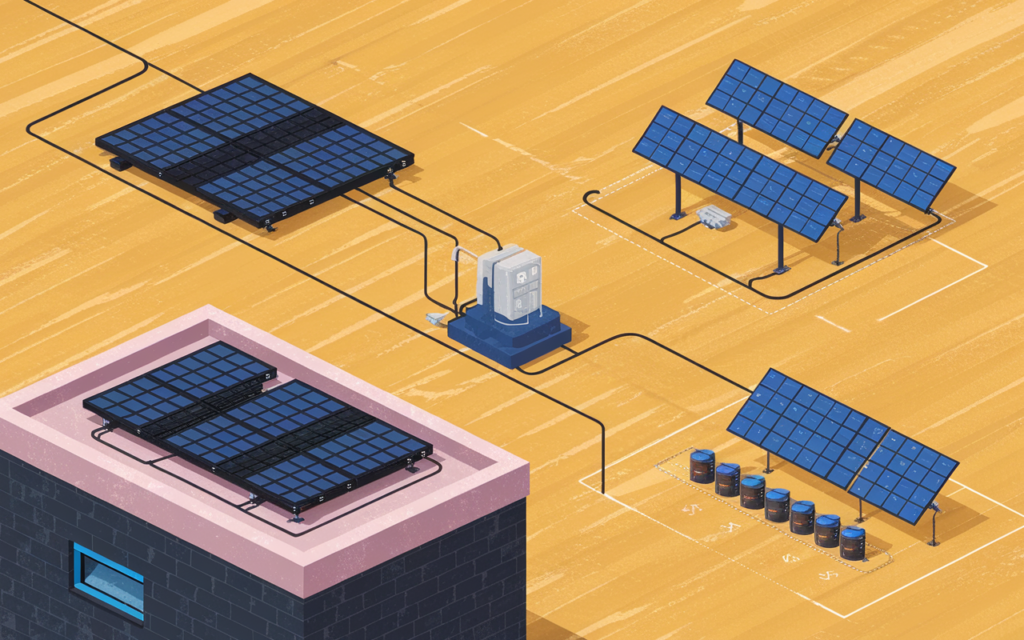
There is a belief that solar energy is unreliable because it depends on sunlight, which is not available at night. While it is true that solar panels do not generate electricity during nighttime, the use of battery storage systems can store excess energy produced during the day for use after the sun sets.
Moreover, grid-tied solar systems allow you to draw electricity from the grid when solar production is low, while still benefiting from solar power when it is available. As battery technology continues to improve, the reliability of solar energy will only increase.
Fact: Solar energy can be made reliable with the use of battery storage, and grid-tied systems provide a backup when solar production is low.
Myth 7: Solar Panels Are Harmful to the Environment
Some claim that the production of solar panels is harmful to the environment due to the energy and resources required to manufacture them. While it is true that there is an initial environmental impact from the production process, studies have shown that solar panels generate far more energy over their lifetime than the energy used in their production.
Most solar panels have a lifespan of 25-30 years, and within a few years of operation, they offset the energy used in their manufacturing process. Additionally, many solar companies are working to recycle and repurpose old solar panels to further reduce the environmental impact.
Fact: The environmental benefits of solar panels far outweigh the initial production impact, and the technology is continually improving to reduce manufacturing emissions.
Myth 8: Solar Energy Is Only for Rich People
The belief that solar energy is only for the wealthy is another common misconception. With the decreasing costs of solar panels and the availability of financing options, solar energy has become accessible to a broader range of people. There are various financing models, including solar leasing and power purchase agreements (PPAs), which allow homeowners to install solar systems with little to no upfront cost.
Government incentives, rebates, and tax credits can also make solar energy more affordable for middle-income households. Community solar programs provide additional ways for people who cannot install solar panels on their own roofs to benefit from solar energy.
Fact: Solar energy is accessible to people of all income levels thanks to financing options, government incentives, and community solar programs.
Myth 9: Solar Panels Are Ineffective in Older Homes
Many people believe that solar panels can only be installed on new or modern homes. In reality, solar panels can be installed on a wide variety of structures, including older homes. The key is to ensure that the roof is in good condition and capable of supporting the weight of the solar array.
A professional solar installer can assess the condition of the roof and recommend any necessary repairs before installation. As long as the roof is structurally sound and receives adequate sunlight, solar panels can be effectively installed.
Fact: Solar panels can be installed on older homes as long as the roof is in good condition and receives sufficient sunlight.
Myth 10: Solar Panels Cause Health Issues
There is a misconception that solar panels emit harmful radiation or pose health risks to individuals. In reality, solar panels generate electricity by converting sunlight into direct current (DC) power, which is then converted to alternating current (AC) by an inverter for home use. This process does not emit harmful radiation or pose any health risks.
Solar energy is one of the safest forms of electricity generation, as it does not involve combustion, emissions, or hazardous waste. Compared to traditional energy sources like fossil fuels, solar power has a much lower environmental and health impact.
Fact: Solar panels do not emit harmful radiation, and solar energy is a safe, clean alternative to traditional energy sources.
Conclusion
Solar energy is an increasingly popular and viable solution for meeting energy needs in a sustainable manner. Despite the myths surrounding solar technology, the facts demonstrate that solar power is affordable, efficient, reliable, and environmentally friendly. By debunking these common myths, we hope to encourage more people to consider the benefits of switching to solar energy.
At Solar Empire West Africa Ltd, we are committed to helping you understand the truth about solar energy and guiding you through the process of adopting clean energy solutions. If you have any questions or would like to learn more about our solar installation services, feel free to contact us. Together, we can make a positive impact on the environment and reduce energy costs for your home or business.