Solar energy is quickly becoming one of the most popular and sustainable sources of power for homes and businesses around the world. As awareness of environmental issues grows and the cost of solar technology decreases, more people are turning to solar photovoltaic (PV) systems to reduce their carbon footprint and save on energy costs. But how exactly does solar energy work, and what makes solar PV systems so efficient and reliable? In this comprehensive guide, we will explain the fundamentals of solar energy and walk you through how solar PV systems operate.
What is Solar Energy?
Solar energy is the energy derived from the sun’s radiation. It is one of the cleanest and most abundant sources of renewable energy available today. Unlike fossil fuels, which release harmful greenhouse gases when burned, solar energy produces no emissions and has minimal impact on the environment.
The sun generates energy through nuclear fusion, releasing massive amounts of heat and light. This solar radiation can be harnessed in a variety of ways, the most common being solar photovoltaic (PV) systems, which convert sunlight directly into electricity.
What Are Solar PV Systems?
Solar photovoltaic (PV) systems are devices that convert sunlight into electricity using semiconductor materials. The core of the system is the solar panel, which is made up of individual cells designed to capture sunlight. When sunlight strikes these cells, it triggers an electrical process that generates direct current (DC) electricity.
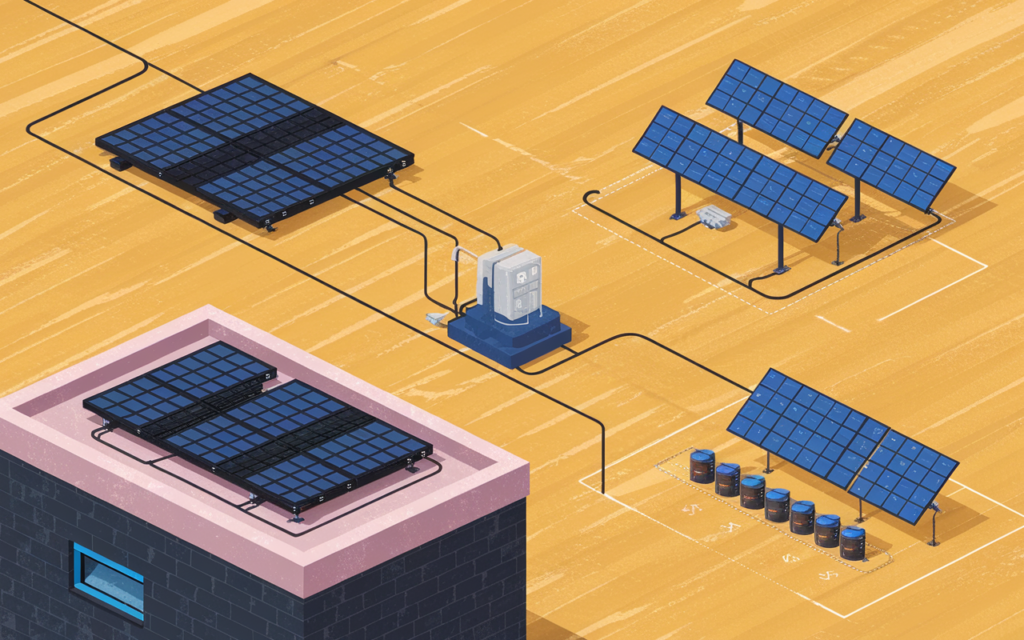
A standard solar PV system consists of the following components:
1. Solar Panels: The panels consist of photovoltaic cells, usually made from silicon, that absorb sunlight and convert it into electricity.
2. Inverter: The inverter converts the DC electricity produced by the panels into alternating current (AC), which is the form of electricity used by most home appliances.
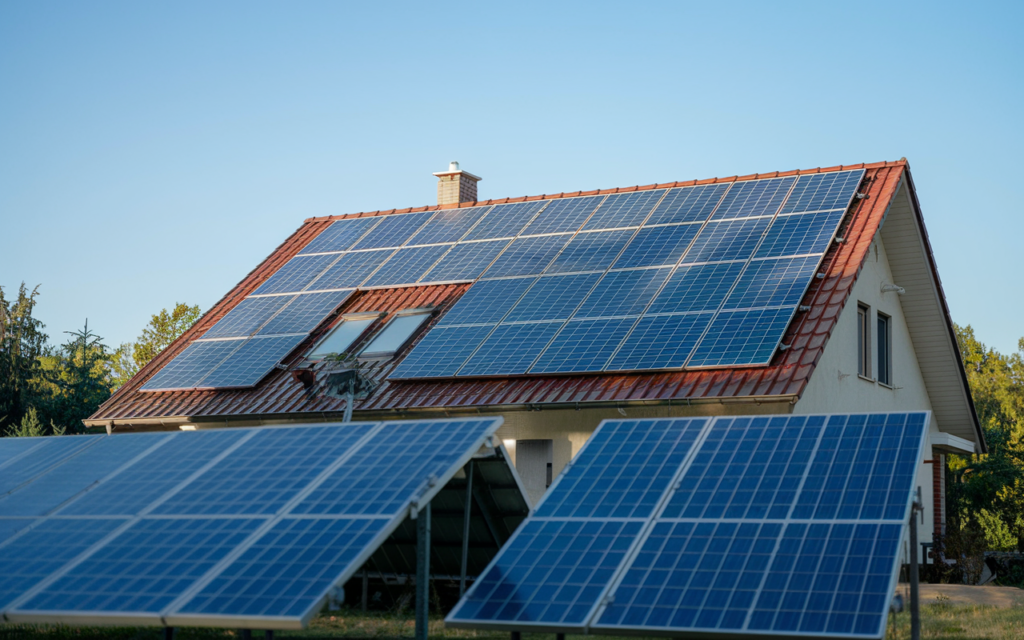
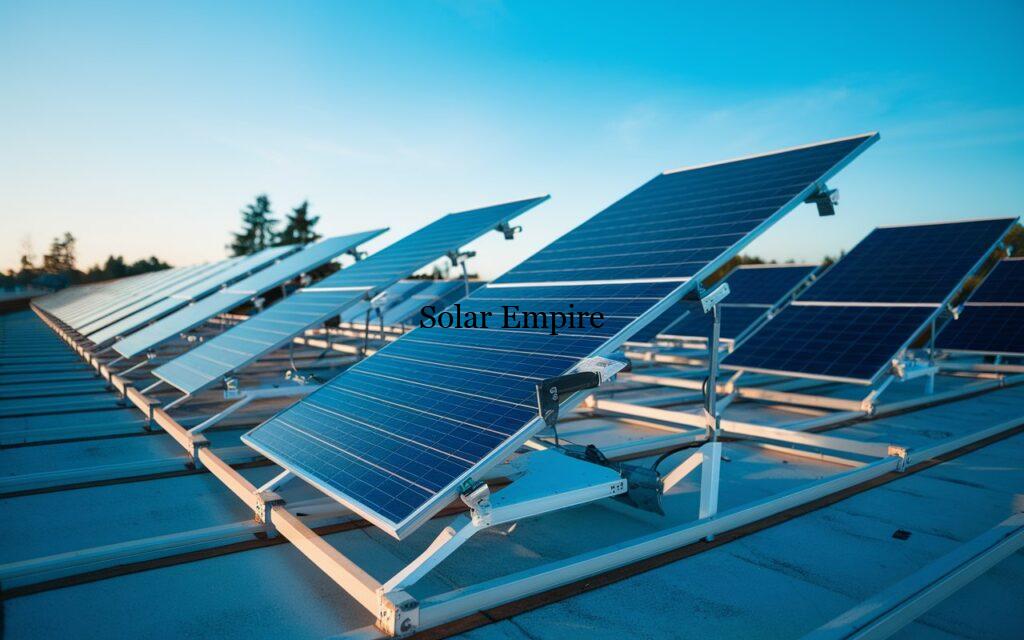
3. Mounting System: Solar panels are mounted on rooftops or ground-mounted structures that position them for optimal sunlight exposure.
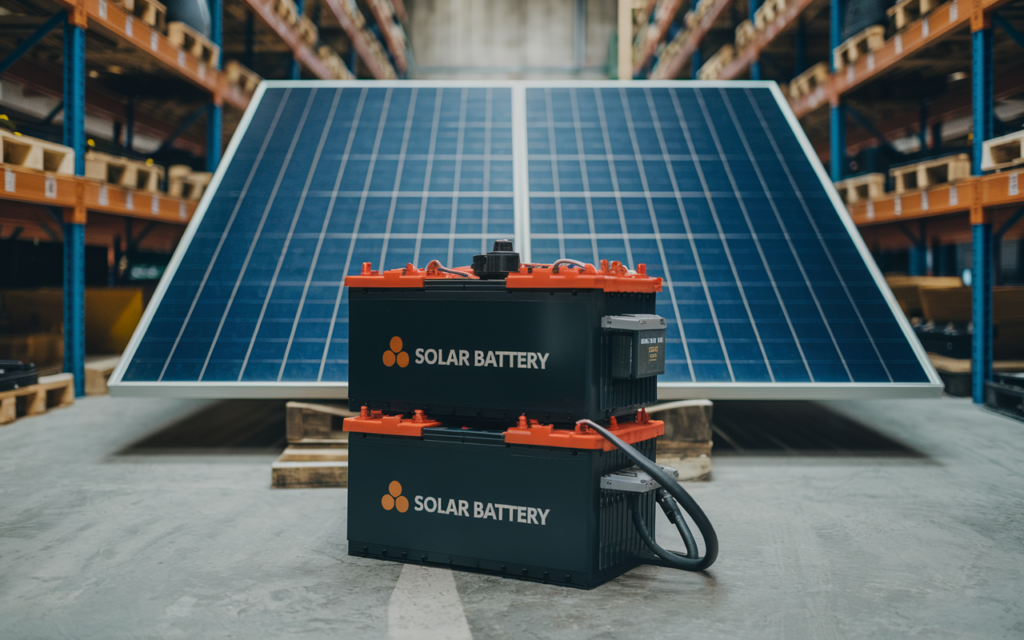
4. Battery Storage (Optional): Solar batteries store excess energy produced during the day for use at night or during periods of low sunlight.
5. Grid Connection: Many solar PV systems are connected to the local power grid, allowing homeowners to sell excess electricity back to the utility company.
How Solar PV Systems Work
The process of converting sunlight into usable electricity involves several key steps. Let’s break down how solar PV systems work:
1. Sunlight Hits the Solar Panels
Solar panels are made up of numerous photovoltaic cells that absorb sunlight. Each PV cell is composed of layers of semiconductor materials, typically silicon. When sunlight (photons) hits the cells, it excites the electrons in the semiconductor material, causing them to move. This movement creates an electric field within the cell, generating direct current (DC) electricity.
2. Inverter Converts DC to AC Electricity
Since most homes and businesses use alternating current (AC) electricity, the DC electricity generated by the solar panels needs to be converted. This is where the inverter comes in. The inverter takes the DC electricity and converts it into AC electricity, which can then be used to power lights, appliances, and other electrical devices.
3. Electricity Powers Your Home or Business
Once the inverter has converted the DC electricity to AC, the power is ready to be used in your home or business. The electricity flows into your electrical panel, where it is distributed to the outlets, lights, and appliances that need power. If the solar panels generate more electricity than you need, the excess can be stored in a battery (if you have one) or sent back to the grid.
4. Excess Energy Is Sent Back to the Grid (Optional)
For solar systems that are connected to the local power grid, any excess electricity that your panels produce can be sent back to the grid. Many regions offer “net metering” programs, where you earn credits for the extra electricity you produce. These credits can be used to offset your energy consumption during times when your solar panels aren’t generating enough power, such as at night or on cloudy days.
Benefits of Solar PV Systems
Now that you understand how solar PV systems work, let’s look at the key benefits of installing a solar energy system:
1. Cost Savings
Solar energy can significantly reduce or even eliminate your electricity bills. Once installed, solar panels generate free energy from sunlight, reducing your dependence on grid-supplied electricity. Depending on your energy consumption and the size of your solar system, you could save thousands of dollars over the lifetime of your solar PV system.
2. Environmental Impact
Solar energy is a clean, renewable source of power that produces no harmful emissions. By switching to solar, you reduce your carbon footprint and help combat climate change. Solar panels can also help decrease air pollution and reduce reliance on finite fossil fuels.
3. Energy Independence
By generating your own electricity, you become less dependent on the grid and rising energy costs. Solar energy provides a reliable and sustainable source of power, giving you greater control over your energy usage.
4. Increased Property Value
Installing solar panels can increase the resale value of your home. Studies have shown that homes with solar energy systems sell for more than comparable homes without solar, making it a smart investment for homeowners.
5. Government Incentives and Tax Benefits
Many governments offer incentives and tax credits to encourage the adoption of solar energy. These can significantly reduce the upfront cost of installing a solar PV system, making solar more affordable than ever before.
Types of Solar PV Systems
There are three main types of solar PV systems, each with unique advantages depending on your energy needs:
1. Grid-Tied Solar Systems
These systems are connected to the local power grid. They allow you to draw electricity from the grid when your solar panels aren’t producing enough power and sell excess electricity back to the grid when your system produces more than you need.
2. Off-Grid Solar Systems
Off-grid systems are not connected to the grid. They rely entirely on solar panels and battery storage to provide all the electricity your home or business needs. These systems are ideal for remote areas where grid access is limited.
3. Hybrid Solar Systems
Hybrid systems combine both grid-tied and off-grid features. They are connected to the grid but also include battery storage, allowing you to store excess electricity for later use while still drawing from the grid if necessary.
Conclusion
Solar energy is a powerful, clean, and reliable solution for reducing electricity costs and supporting environmental sustainability. Solar PV systems convert sunlight into electricity through a simple yet effective process that powers homes and businesses efficiently. With benefits ranging from financial savings to energy independence, installing a solar PV system is a smart investment for the future.
If you’re interested in learning more about how solar energy can work for you, or if you’re ready to explore solar PV systems for your home or business, Solar Empire West Africa Ltd is here to help. Contact us today for expert advice, professional installation, and the best solar solutions designed to meet your energy needs!