Solar photovoltaic (PV) systems are known for being low-maintenance and highly efficient, offering a reliable source of renewable energy for years to come. However, to ensure that your solar panels continue operating at peak performance, regular maintenance is essential. In this comprehensive guide, we’ll cover practical tips to help you maintain your solar PV system and keep it running efficiently for the long term.
Why Solar PV System Maintenance is Important
Solar panels are designed to last 25-30 years, but their performance can be impacted by various factors such as weather, dirt buildup, and wear over time. While your system will likely operate with minimal intervention, periodic maintenance will help:
Maximize Energy Production: Regular checks ensure your panels are capturing and converting sunlight efficiently.
Extend System Lifespan: Proper care can prevent potential damage and prolong the life of your solar system components.
Identify Issues Early: Regular monitoring can help you spot and address minor problems before they become major issues.
1. Keep Your Solar Panels Clean
One of the simplest and most effective ways to maintain your solar PV system is to keep your panels clean. Dirt, dust, bird droppings, and debris can accumulate on your panels, reducing their efficiency by blocking sunlight.
How Often to Clean: In most areas, rain will naturally clean your panels. However, if you live in a particularly dusty region or an area with minimal rainfall, you may need to clean your panels more frequently, such as once or twice a year.
Cleaning Process: Use a soft brush or cloth with mild soap and water to gently remove dirt and debris. Avoid using abrasive materials or pressure washers, as these can damage the panels.
Professional Cleaning: For hard-to-reach panels or stubborn grime, consider hiring a professional solar cleaning service to ensure thorough and safe cleaning.
2. Monitor System Performance Regularly
Most modern solar PV systems come with monitoring tools that allow you to track the performance of your panels in real time. Monitoring your system helps you:
Detect Drops in Efficiency: If your system starts producing less energy than expected, this could indicate an issue with the panels, inverter, or wiring.
Check Energy Output: Compare your system’s energy production to your expected output based on weather conditions and previous performance.
Identify Faults: Some monitoring systems can send alerts if they detect faults or malfunctions in the system.
Monitoring systems are often available via apps or web portals, making it easy to stay informed about your solar system’s health from anywhere.
3. Inspect Panels and Mounting Hardware
Routine visual inspections are an important part of solar PV system maintenance. Inspect your panels and mounting hardware for any signs of wear, damage, or obstruction.
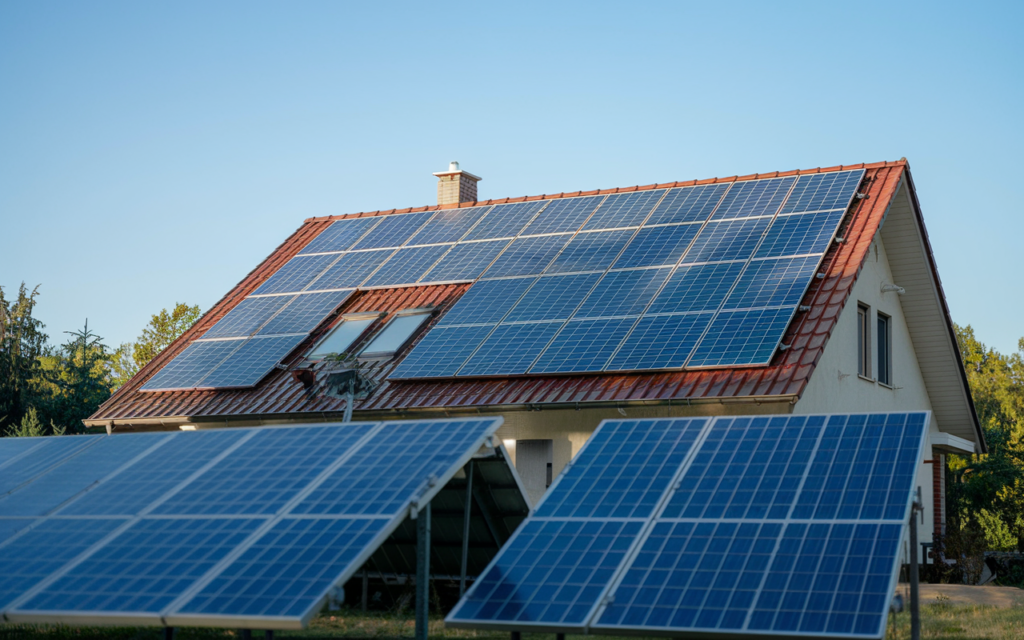
Panel Condition: Look for cracks, chips, or discoloration on the panels. These issues can reduce efficiency and may require repairs or replacement.
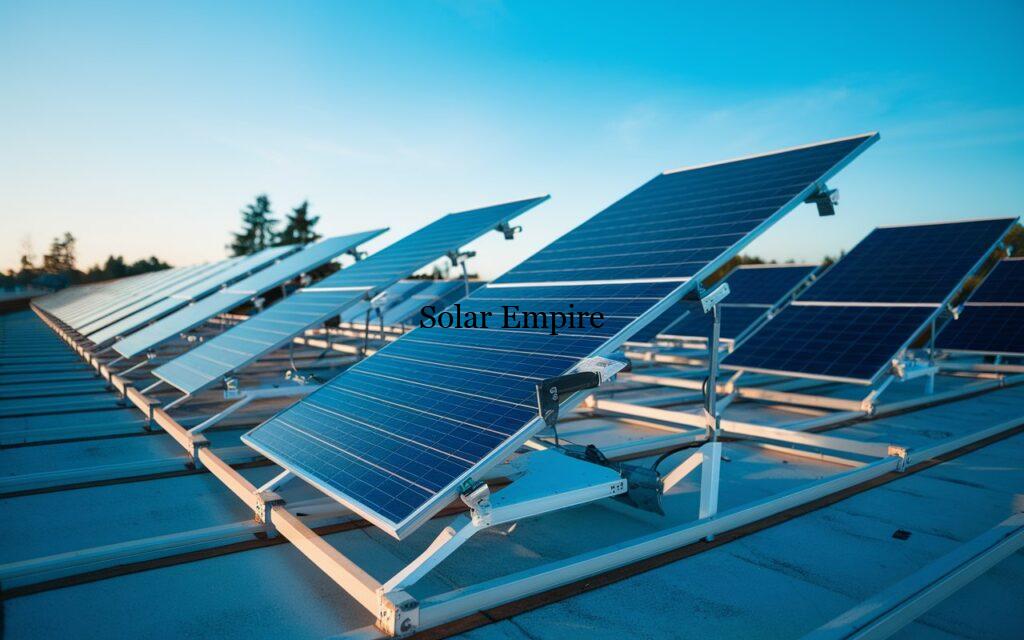
Mounting Hardware: Check that the brackets and racking systems holding the panels are secure and free of rust or corrosion. Tighten any loose bolts or screws to prevent panels from shifting or becoming misaligned.
Shading: Over time, trees and vegetation can grow and cast shadows on your panels, reducing their performance. Trim any nearby branches or foliage that might obstruct sunlight from reaching the panels.
4. Maintain the Inverter
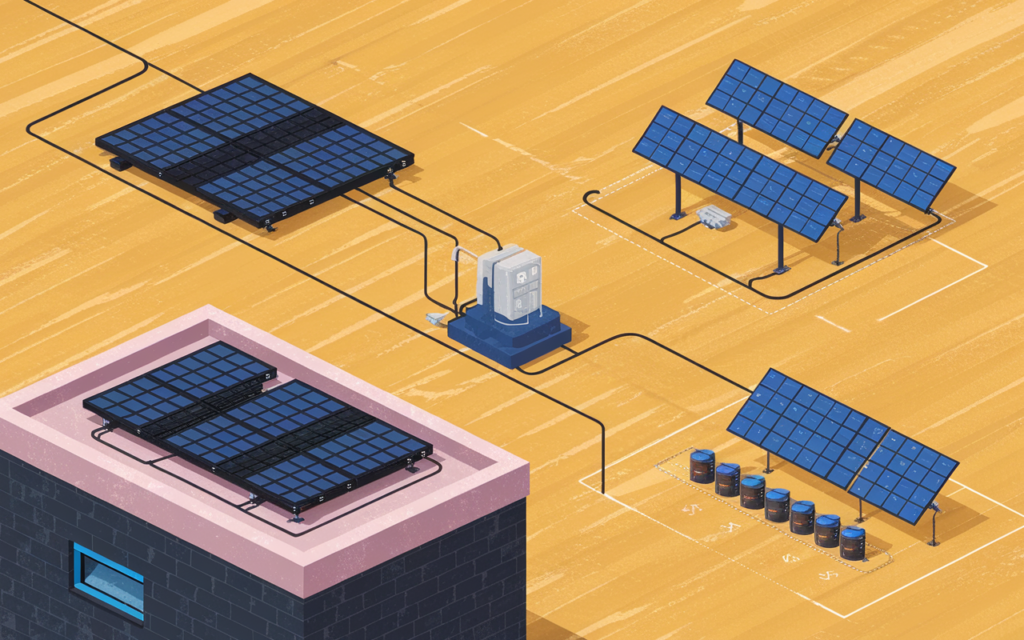
The inverter is a critical component of your solar PV system, converting the direct current (DC) electricity generated by your panels into alternating current (AC) electricity that can be used in your home. Regular inverter maintenance is necessary to ensure it’s working efficiently.
Check Inverter Status: Many inverters have indicator lights that show whether they are functioning correctly. If you notice a red or orange light instead of green, this could signal a problem.
Keep It Cool: Ensure the inverter is installed in a cool, well-ventilated area, as overheating can reduce its efficiency and lifespan.
Clean Vents: Periodically check and clean any air vents on the inverter to prevent dust buildup, which can cause overheating.
If your inverter is consistently showing errors or producing less power than usual, contact a professional technician to inspect and repair it.
5. Protect Against Pests
Rodents, birds, and other pests can sometimes nest under solar panels or chew on wiring, potentially causing significant damage to your system.
Install Mesh Guards: To prevent animals from accessing the space beneath your panels, consider installing mesh guards or critter guards. These can block entry points while allowing airflow.
Check for Signs of Damage: During your inspections, look for any chewed wires or nests around the panels. Damaged wiring can lead to system malfunctions and may require repair by a licensed electrician.
6. Schedule Professional Maintenance and Inspections
While you can perform many maintenance tasks yourself, it’s a good idea to schedule professional inspections at least once a year. A licensed solar technician can:
Conduct Detailed Inspections: Professionals have the tools and expertise to identify issues that may not be visible to the untrained eye, such as electrical faults or degraded components.
Test System Performance: Technicians can test the system’s voltage and energy output to ensure it’s operating at optimal efficiency.
Perform Repairs: If they detect any problems, technicians can perform necessary repairs or recommend replacements to prevent further damage.
7. Check for Warranty Coverage
Most solar panels come with warranties that cover the equipment for 20-25 years, while inverters typically have warranties lasting 5-10 years. Regular maintenance and timely repairs will help ensure you’re eligible for warranty coverage if needed.
Keep Records: Document your maintenance activities and any professional services or repairs. This can be useful if you need to make a warranty claim or sell your property in the future.
8. Prepare for Seasonal Maintenance
Different seasons bring unique challenges for solar panels, so it’s important to adjust your maintenance routine accordingly.
Winter Maintenance: In regions with snow, snow accumulation on solar panels can block sunlight and reduce energy production. You can clear light snow with a soft brush, but avoid scraping ice, as this can damage the panels.
Summer Maintenance: In hot climates, extreme temperatures can impact panel efficiency. Ensure panels are kept clean, and the inverter is well-ventilated to prevent overheating.
9. Plan for Long-Term Upgrades
Solar technology is constantly evolving, and over the lifespan of your system, there may be opportunities to upgrade components such as inverters, battery storage, or monitoring systems. These upgrades can improve your system’s efficiency and provide better performance over time.
Battery Storage: If you don’t already have battery storage, consider adding it to your system to store excess energy for use during power outages or at night.
Inverter Upgrades: As inverters age, they may become less efficient. Upgrading to a new, more efficient inverter can help you maximize your solar power output.
Conclusion
Maintaining your solar PV system is key to ensuring it continues to operate efficiently and generates maximum energy for your home or business. Regular cleaning, monitoring, and inspections, along with timely professional maintenance, will help you extend the lifespan of your system and keep your energy savings high.
At Solar Empire West Africa Ltd, we provide comprehensive solar installation and maintenance services to ensure your system remains in peak condition. Contact us today to schedule an inspection or learn more about how we can help you maintain your solar PV system for long-term efficiency!