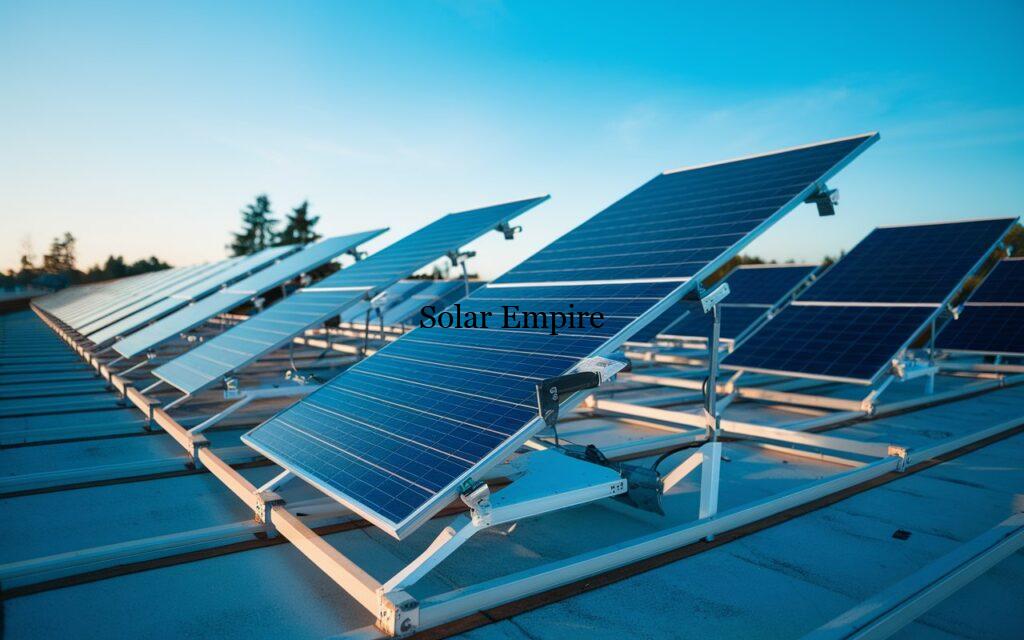
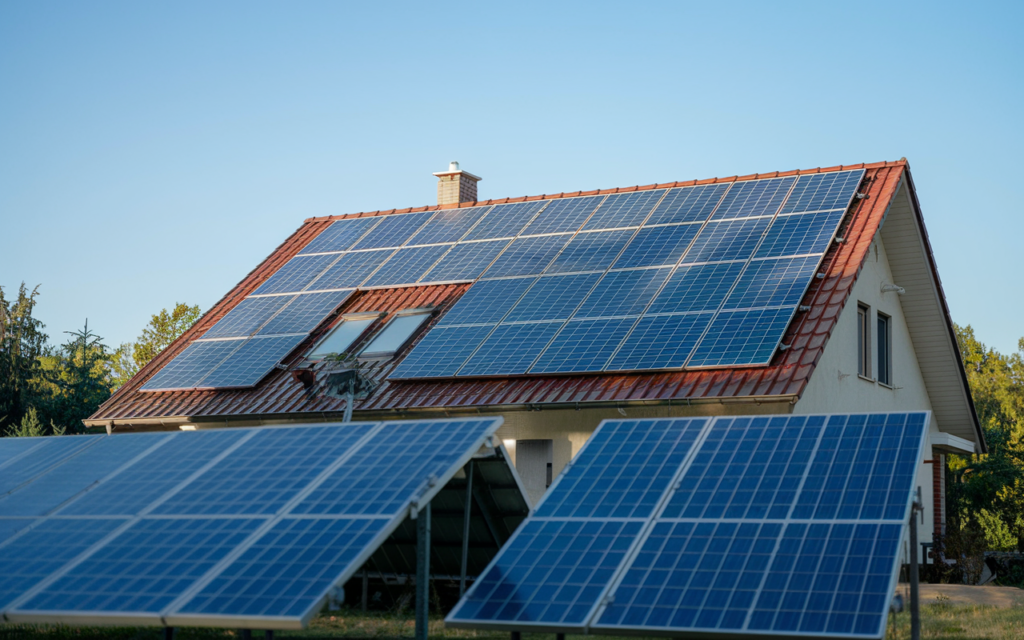
West Africa is blessed with abundant sunlight, making solar energy a promising solution for addressing the region’s energy needs. With the increasing demand for electricity and a significant portion of the population lacking access to reliable power, solar energy presents an opportunity for sustainable development. However, despite the potential, there are challenges that must be addressed to fully harness the benefits of solar power. This blog post will explore the opportunities and challenges of solar energy in West Africa, and why it could play a crucial role in the region’s future.
The Potential of Solar Energy in West Africa
West Africa has one of the highest solar irradiance levels in the world, with average sunlight exposure of 5-7 hours per day. The region’s geographical location and climate make it an ideal candidate for solar energy development. Some key factors contributing to the potential of solar energy in West Africa include:
1. High Solar Radiation Levels
With solar radiation levels ranging between 1,800 and 2,200 kWh/m² per year, West Africa has the capability to generate substantial amounts of electricity from solar energy. This makes it one of the most promising regions for solar investment globally.
2. Expanding Energy Demand
As West African economies grow and urbanization accelerates, the demand for electricity is increasing rapidly. Solar energy offers a cost-effective and environmentally friendly way to meet this growing demand, particularly in rural and off-grid areas.
3. Decreasing Costs of Solar Technology
Over the past decade, the cost of solar panels and related technologies has significantly decreased. This has made solar power more affordable for businesses, governments, and individuals in West Africa. The falling prices of solar photovoltaic (PV) systems provide an opportunity for scaling up solar installations across the region.
4. Support from International Organizations
Various international organizations and development agencies are supporting solar energy projects in West Africa. These organizations are providing financing, technology, and expertise to help develop solar power infrastructure, making it easier for governments and private companies to adopt solar energy solutions.
Opportunities for Solar Energy Development in West Africa
The adoption of solar energy in West Africa offers a wide range of opportunities that can benefit the region’s economy, environment, and society.
1. Improved Access to Electricity
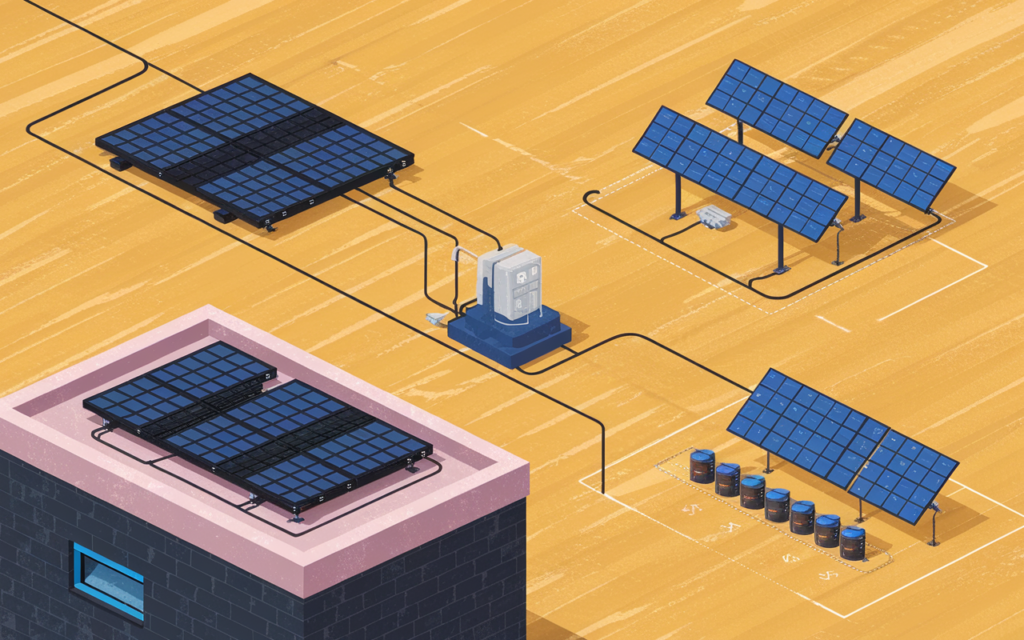
In West Africa, millions of people still lack access to reliable electricity. Solar energy can help bridge this gap, especially in rural and remote communities where grid extension is not economically feasible. Off-grid and mini-grid solar solutions can bring electricity to underserved areas, improving the quality of life and enabling economic activities.
2. Job Creation and Economic Growth
The development of solar energy infrastructure can create jobs across the value chain, from manufacturing and installation to maintenance and sales. As the solar industry grows, it can stimulate local economies by providing employment opportunities and attracting foreign investments.
3. Reducing Dependence on Fossil Fuels
Many West African countries rely on fossil fuels, such as diesel and natural gas, for electricity generation. By investing in solar energy, these countries can reduce their dependence on imported fuels, decrease greenhouse gas emissions, and enhance energy security.
4. Supporting Agriculture and Water Management
Solar energy can power irrigation systems, water pumps, and cold storage facilities, boosting agricultural productivity. Access to reliable and affordable solar-powered irrigation can help mitigate the effects of erratic rainfall patterns, which are common in the region due to climate change.
5. Promoting Clean and Sustainable Development
As West African nations aim to meet their commitments under the Paris Agreement, adopting solar energy can significantly contribute to reducing carbon emissions. Solar power is a clean and renewable source of energy that can help countries achieve their sustainability targets and combat climate change.
Challenges Facing Solar Energy Adoption in West Africa
Despite the numerous opportunities, there are several challenges that must be addressed to fully leverage solar energy’s potential in West Africa.
1. High Initial Costs and Financing Barriers
Although the cost of solar technology has declined, the upfront investment required for solar installations can still be a barrier for many households and businesses. Additionally, limited access to financing options makes it difficult for individuals and companies to afford solar energy systems.
2. Regulatory and Policy Constraints
The regulatory environment in many West African countries can be complex, and there is often a lack of clear policies supporting renewable energy development. Governments must establish and enforce policies that incentivize the adoption of solar energy, such as tax incentives, subsidies, and feed-in tariffs for solar projects.
3. Limited Technical Expertise and Workforce
There is a shortage of skilled professionals in the solar energy sector in West Africa, which can hinder the design, installation, and maintenance of solar PV systems. Investing in training programs and building local capacity is essential for the growth of the solar industry.
4. Grid Integration Challenges
Integrating solar energy into the existing grid can be challenging due to infrastructure limitations. Most West African grids are outdated and not well-equipped to handle variable renewable energy sources. Investments in grid modernization and energy storage solutions are needed to ensure a stable supply of electricity.
5. Cultural and Social Barriers
In some communities, there is a lack of awareness about the benefits of solar energy, leading to resistance or hesitation in adopting the technology. Public education and awareness campaigns can help address misconceptions and increase the acceptance of solar energy solutions.
6. Land Use and Environmental Concerns
Large-scale solar projects require significant land area, which can raise concerns about land use and displacement of communities. Environmental assessments and careful planning are necessary to mitigate any negative impacts associated with solar installations.
Strategies for Overcoming Challenges and Accelerating Solar Energy Adoption
To unlock the full potential of solar energy in West Africa, a combination of strategies must be implemented to address the existing challenges:
1. Implement Supportive Policies and Incentives
Governments in West Africa should establish policies that encourage the development of solar energy. This can include tax breaks for solar installations, subsidies for solar equipment, and attractive feed-in tariffs for solar-generated electricity. Streamlining regulations can also help reduce the bureaucratic hurdles that solar projects often face.
2. Expand Access to Financing and Microcredit Programs
Providing affordable financing options and microcredit programs can help lower the upfront costs of solar installations for households and businesses. Governments and financial institutions can also collaborate with international development agencies to create financing mechanisms that support solar energy adoption.
3. Invest in Training and Capacity Building
Developing a skilled workforce is crucial for the solar industry’s growth. Training programs for technicians, engineers, and installers should be established to equip individuals with the necessary skills for solar energy projects. This can also create new job opportunities in the region.
4. Modernize the Electrical Grid
To support the integration of solar energy, West African countries must invest in modernizing their grid infrastructure. This includes improving grid stability, expanding transmission networks, and incorporating energy storage solutions like batteries to balance supply and demand.
5. Promote Public Awareness and Community Involvement
Increasing public awareness about the benefits of solar energy can help drive demand and overcome social barriers. Governments, NGOs, and solar companies should engage with local communities through outreach programs to educate people about the economic, environmental, and health benefits of solar energy.
6. Leverage International Partnerships and Funding
West African countries can benefit from partnerships with international organizations, private investors, and foreign governments that are committed to supporting renewable energy initiatives. These collaborations can provide technical expertise, funding, and technology transfer to accelerate solar energy deployment.
Case Studies of Successful Solar Projects in West Africa
Several solar energy projects in West Africa have demonstrated the potential of solar power to transform communities and economies:
1. The Rural Electrification Program in Senegal
Senegal’s government, in collaboration with private sector partners, has implemented solar mini-grids to bring electricity to rural communities. This program has improved access to electricity for thousands of households and businesses, enhancing economic development and quality of life.
2. The Niger Solar Power Project
Niger’s solar project, supported by the World Bank, aims to increase the country’s renewable energy capacity and provide reliable electricity to underserved areas. The project includes both grid-connected and off-grid solar solutions to address the energy needs of remote regions.
3. Nigeria’s Solar Home System Initiative
In Nigeria, a solar home system initiative has provided affordable solar energy solutions to millions of households, reducing the reliance on diesel generators and improving access to clean electricity. This initiative is part of the country’s efforts to expand renewable energy and achieve universal energy access.
Conclusion
Solar energy presents a significant opportunity for West Africa to meet its energy demands sustainably while promoting economic development and mitigating climate change. Despite facing challenges such as high initial costs, regulatory barriers, and limited technical expertise, the region has the potential to become a leader in solar energy adoption.
By implementing supportive policies, expanding financing options, investing in training programs, and modernizing the electrical grid, West African countries can unlock the benefits of solar energy and ensure a brighter, more sustainable future. At Solar Empire West Africa Ltd, we are committed to helping communities and businesses harness the power of the sun. Contact us today to learn more about how we can support your solar energy journey.