As more homeowners and businesses turn to renewable energy solutions, solar panels have become a popular choice for reducing energy costs and lowering carbon footprints. Understanding the solar panel installation process can help you feel confident as you make the transition to solar power. This comprehensive guide walks you through each step of the solar panel installation process, from the initial consultation to the final system activation.
1. Initial Consultation and Site Assessment
The first step in any solar installation is the initial consultation. This is when you meet with a solar company to discuss your energy needs, budget, and goals. The installer will conduct a site assessment to evaluate the suitability of your property for solar panels. During this visit, they will inspect:
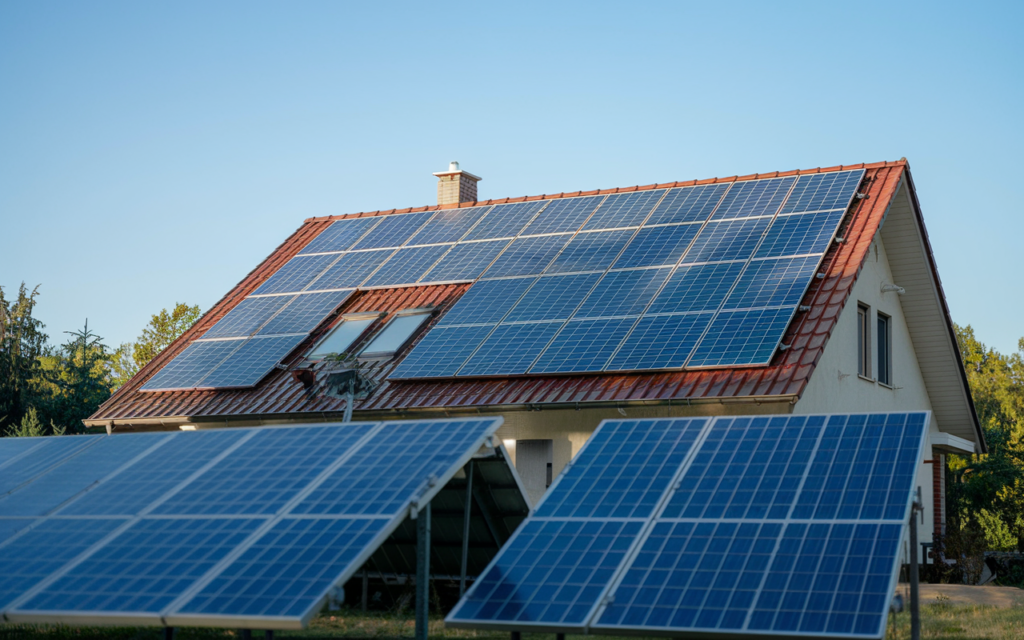
Roof space and orientation: Panels work best on roofs that face south, but other orientations can also be effective depending on sunlight exposure.
Shading: Trees, buildings, or other obstructions that cast shadows can impact the system’s efficiency.
Roof condition: Your roof should be in good condition, as solar panels have a lifespan of around 25-30 years. If your roof needs repairs, it’s best to address them before installation.
After the assessment, the installer will review your current energy usage and discuss your options, including the size of the solar PV system, panel types, and cost estimates.
2. Custom System Design and Proposal
Once the site assessment is complete, the solar provider will create a custom system design based on your property’s specifications and energy requirements. The design will include:
Solar panel placement: Optimal positioning for maximum sunlight exposure.
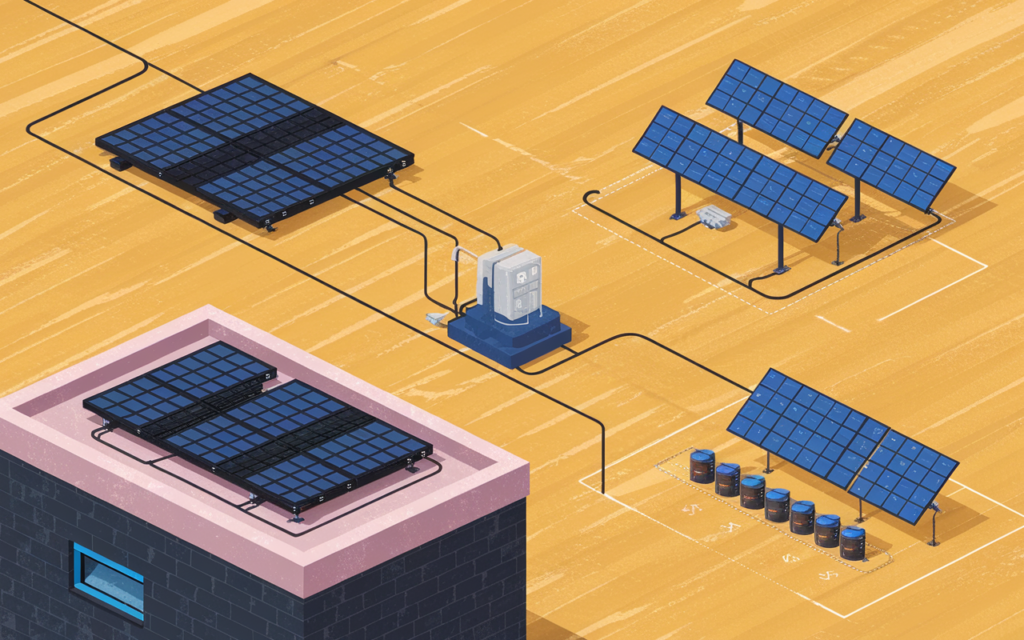
Inverter selection: Inverters convert the direct current (DC) generated by solar panels into usable alternating current (AC) for your home or business.
Battery storage (optional): Some systems include battery storage for off-grid use or as a backup during power outages.
Your installer will present a detailed proposal outlining the system design, installation timeline, costs, potential energy savings, and financing options. This is also when you’ll learn about any available tax incentives or rebates, which can significantly lower the overall cost of your solar investment.
3. Permits and Paperwork
Once you approve the proposal, your installer will begin handling the necessary permits and paperwork. Solar panel installation is subject to various local, state, and federal regulations, including building permits and compliance with utility grid connection rules. The installer will coordinate with local authorities to obtain the required approvals, which can take a few weeks depending on your location.
Key permits and paperwork may include:
Building permits for the structural aspects of the installation.
Interconnection agreements with your utility provider, which allow your system to connect to the grid and, in some cases, sell excess energy back to the utility (net metering).
Government incentives applications, such as tax credits or grants.
4. Solar Panel Installation
With permits secured, it’s time for the actual installation. This phase typically takes 1-3 days, depending on the size and complexity of the system. Here’s what you can expect during installation:
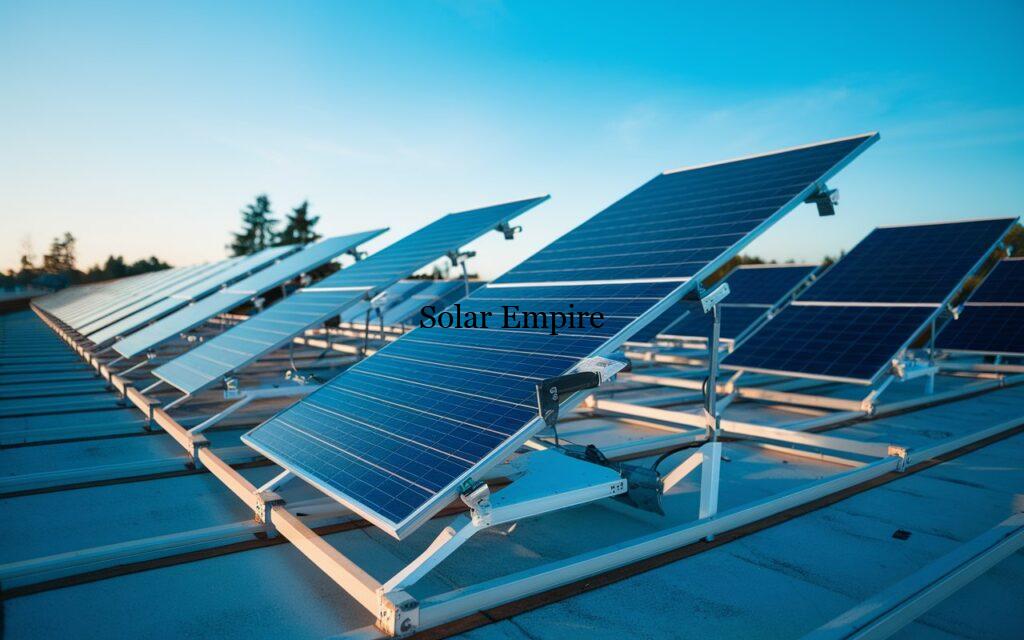
Mounting the panels: Technicians will install racking systems to securely hold the solar panels in place. For roof installations, the racking will be mounted using sturdy hardware, ensuring the panels are secure and capable of withstanding weather conditions.
Installing the inverter: The inverter is installed either inside or outside your home, depending on the design of your system. It converts the solar energy captured by the panels into usable electricity.
Electrical wiring: The panels are connected to the inverter and then to your home’s electrical system. This allows solar power to flow into your home for immediate use or storage in batteries if applicable.
Connecting to the grid (if applicable): If you are installing a grid-tied system, your solar installer will complete the necessary connections to the utility grid.
After the installation, technicians will conduct a series of tests to ensure the system is functioning correctly and safely.
5. Inspection and Approval
Once installation is complete, the system will undergo a thorough inspection to ensure it meets all safety standards and local code requirements. This inspection is usually conducted by a local government representative or utility company personnel. The system must be approved before it can be officially connected to the grid and begin generating electricity.
During this phase, the installer may also set up a solar monitoring system, which allows you to track your system’s performance and energy production through an app or online portal.
6. System Activation
Once the system passes inspection, it’s ready for activation. The final step is the utility company granting permission to operate (PTO), allowing you to officially start generating solar power and sending excess energy to the grid if applicable.
From the moment your system is turned on, you will begin enjoying the benefits of solar energy, including reduced energy bills and a lower environmental footprint.
7. Maintenance and Monitoring
Solar systems require very little maintenance, but regular monitoring ensures that your system is performing efficiently. Here are a few maintenance tips:
Keep panels clean: Dust, dirt, and debris can reduce panel efficiency. Most solar panels are self-cleaning, but in dusty areas, occasional cleaning may be needed.
Check for shading: Trees or new buildings can cast shadows on your panels over time. Trim back branches or adjust your system to prevent shading.
Monitor energy production: Use your system’s monitoring app to track energy production and ensure your system is performing optimally.
Most solar panel systems come with warranties that cover both equipment and performance, giving you peace of mind in the rare case that repairs are needed.
Conclusion
The solar panel installation process is straightforward and designed to ensure your system is customized for your specific energy needs. From the initial consultation to system activation, each step is aimed at providing you with a seamless transition to renewable energy. Solar power is a long-term investment that can save you money on electricity while reducing your environmental impact. At Solar Empire West Africa Ltd, we take pride in guiding you through this journey with expert service and top-quality installations.
If you’re ready to start saving with solar, contact us today for a free consultation!