Solar photovoltaic (PV) systems are becoming increasingly popular as a clean, renewable source of energy for homes and businesses. But when it comes to choosing the right system, the options can be overwhelming. Solar PV systems generally fall into three main categories: grid-tied, off-grid, and hybrid systems. Each type has its own advantages and ideal applications depending on energy needs, location, and budget. This comprehensive guide will explain the differences between grid-tied, off-grid, and hybrid solar PV systems to help you make an informed decision for your home or business.
1. What Are Solar PV Systems?
A solar photovoltaic (PV) system converts sunlight into electricity using solar panels made up of photovoltaic cells. When sunlight hits these cells, it triggers an electrical process that generates direct current (DC) electricity. An inverter then converts this DC electricity into alternating current (AC), which is the type of electricity used by most homes and businesses.
Solar PV systems can be designed to operate in different configurations, depending on whether they are connected to the electricity grid, equipped with battery storage, or entirely independent. Let’s explore the three main types of solar PV systems.
2. Grid-Tied Solar PV Systems
A grid-tied solar system, also known as an on-grid system, is directly connected to the local power grid. This is the most common type of solar PV system for both residential and commercial applications.
How It Works:
Electricity Generation: The solar panels generate electricity during the day when sunlight is available.
Grid Connection: The system is connected to the utility grid, so if your solar panels produce more energy than you need, the excess can be sent back to the grid. In most regions, this excess energy can earn you credits through a process called net metering.
Energy Use: When your solar panels aren’t generating enough electricity (e.g., at night or during cloudy days), you can draw power from the grid to meet your energy needs.
Benefits of Grid-Tied Systems:
Lower Initial Cost: Since grid-tied systems do not require expensive battery storage, they are more affordable upfront compared to other types of systems.
Net Metering: You can sell excess electricity back to the utility company and earn credits, reducing your overall energy costs.
Reliability: You have a backup from the grid, ensuring a constant power supply even when solar production is low.
Drawbacks of Grid-Tied Systems:
No Backup During Power Outages: If the grid goes down, your solar PV system will also shut down for safety reasons. Without battery storage, you won’t have power during outages.
Ideal For:
Homeowners and businesses with access to a reliable utility grid.
Those looking to reduce electricity costs without the need for energy storage.
Areas where net metering policies are available.
3. Off-Grid Solar PV Systems
An off-grid solar system operates independently from the local electricity grid. This type of system is designed to generate and store all the electricity you need, without relying on external power sources.
How It Works:
Electricity Generation: The solar panels generate electricity during the day.
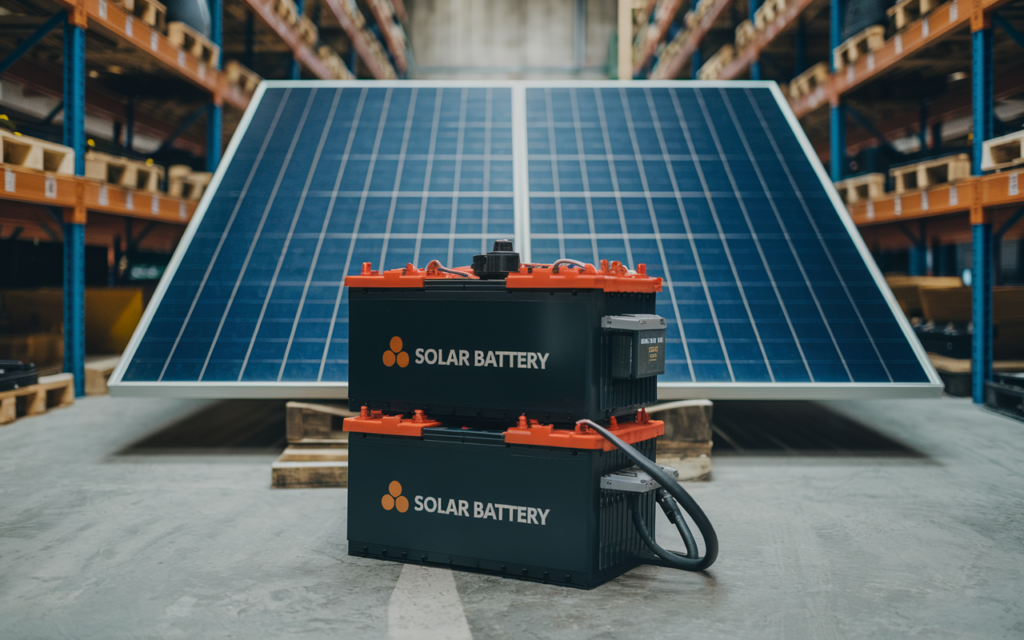
Battery Storage: Because off-grid systems are not connected to the grid, they require a battery storage system to store excess energy for use at night or on cloudy days.
Energy Use: The electricity generated and stored is used to power your home or business throughout the day and night, with no reliance on external power sources.
Benefits of Off-Grid Systems:
Energy Independence: Off-grid systems provide complete independence from the utility grid. You generate and store all your electricity, making it ideal for remote areas without grid access.
No Electricity Bills: Since you are not connected to the grid, you won’t have to pay any electricity bills or rely on external energy providers.
Drawbacks of Off-Grid Systems:
Higher Initial Cost: Off-grid systems require large battery storage and possibly backup generators to ensure a reliable power supply, which increases the initial investment.
Maintenance and Monitoring: Battery systems require regular maintenance and monitoring to ensure they operate efficiently. In some cases, a backup generator may be needed during periods of low sunlight.
Power Limitations: The amount of electricity available is limited by the size of the solar system and the storage capacity of the batteries. Miscalculating your energy needs can lead to power shortages.
Ideal For:
Homes or businesses in remote areas without access to the electricity grid.
Property owners looking for total energy independence.
Those willing to invest in battery storage and manage their energy usage closely.
4. Hybrid Solar PV Systems
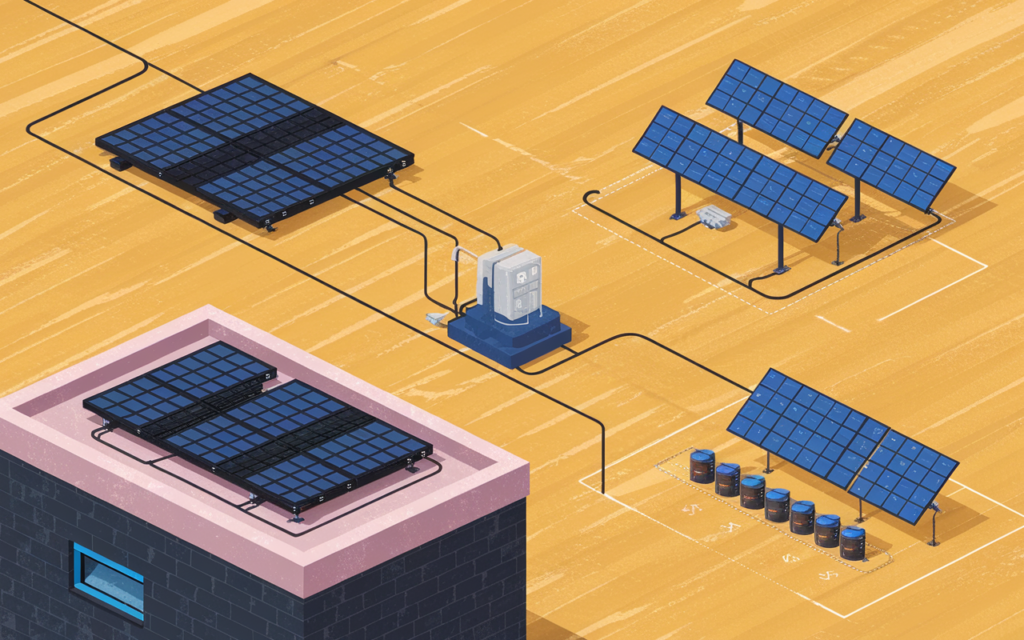
A hybrid solar system combines the best of both grid-tied and off-grid systems by being connected to the grid while also incorporating battery storage. Hybrid systems offer flexibility, allowing you to store excess solar energy in batteries while maintaining a connection to the grid for backup power.
How It Works:
Electricity Generation: Solar panels generate electricity during the day, just like in a grid-tied system.
Battery Storage: Excess electricity is stored in batteries for later use, ensuring you have power during the night or during periods of low sunlight.
Grid Connection: The system is connected to the grid, so if your batteries run out of stored power or if there is insufficient sunlight, you can draw electricity from the grid. Conversely, if your batteries are full and your solar panels are still producing excess energy, you can send it back to the grid through net metering.
Benefits of Hybrid Systems:
Energy Independence with Backup: You can store electricity for use when solar production is low, while still having the grid as a backup source of power.
Energy Security: Hybrid systems provide energy during power outages, thanks to the battery storage. You won’t be left without power when the grid goes down.
Maximized Use of Solar Power: With batteries to store excess energy, you can use more of the solar electricity your system generates, reducing reliance on the grid and increasing energy savings.
Drawbacks of Hybrid Systems:
Higher Initial Cost: Like off-grid systems, hybrid systems require batteries, which can be expensive. However, the investment can be offset by the ability to store and use excess energy and reduce reliance on grid electricity.
Complexity: Hybrid systems are more complex to design and install than grid-tied systems, and they may require more maintenance due to the battery component.
Ideal For:
Property owners who want a combination of energy independence and grid reliability.
Homes and businesses in areas with unreliable grid power or frequent outages.
Those looking to maximize their use of solar energy while maintaining flexibility.
5. Which System is Right for You?
Choosing the right solar PV system depends on several factors, including your energy needs, location, budget, and preferences for energy independence. Here’s a quick summary to help guide your decision:
Grid-Tied Systems: Ideal for those with access to a reliable electricity grid and looking for an affordable solar solution with net metering benefits.
Off-Grid Systems: Best for remote locations or individuals seeking complete independence from the utility grid. Keep in mind the need for significant battery storage.
Hybrid Systems: Perfect for those wanting the best of both worlds—solar energy with battery backup and grid connection for additional security and flexibility.
Conclusion
Understanding the differences between grid-tied, off-grid, and hybrid solar PV systems is crucial to selecting the right solution for your home or business. Whether you prioritize cost savings, energy independence, or security during power outages, there is a solar system that fits your needs. At Solar Empire West Africa Ltd, we specialize in designing and installing customized solar solutions to help you harness the power of the sun effectively.
If you’re ready to make the switch to solar or want to learn more about which system is right for you, contact us today for a free consultation!